
A Comprehensive Guide for Turkish Investors Looking to Buy Real Estate in Nice
Velmira Living Editorial Team · Reviewed by Görkem — Founder & Head of Operations
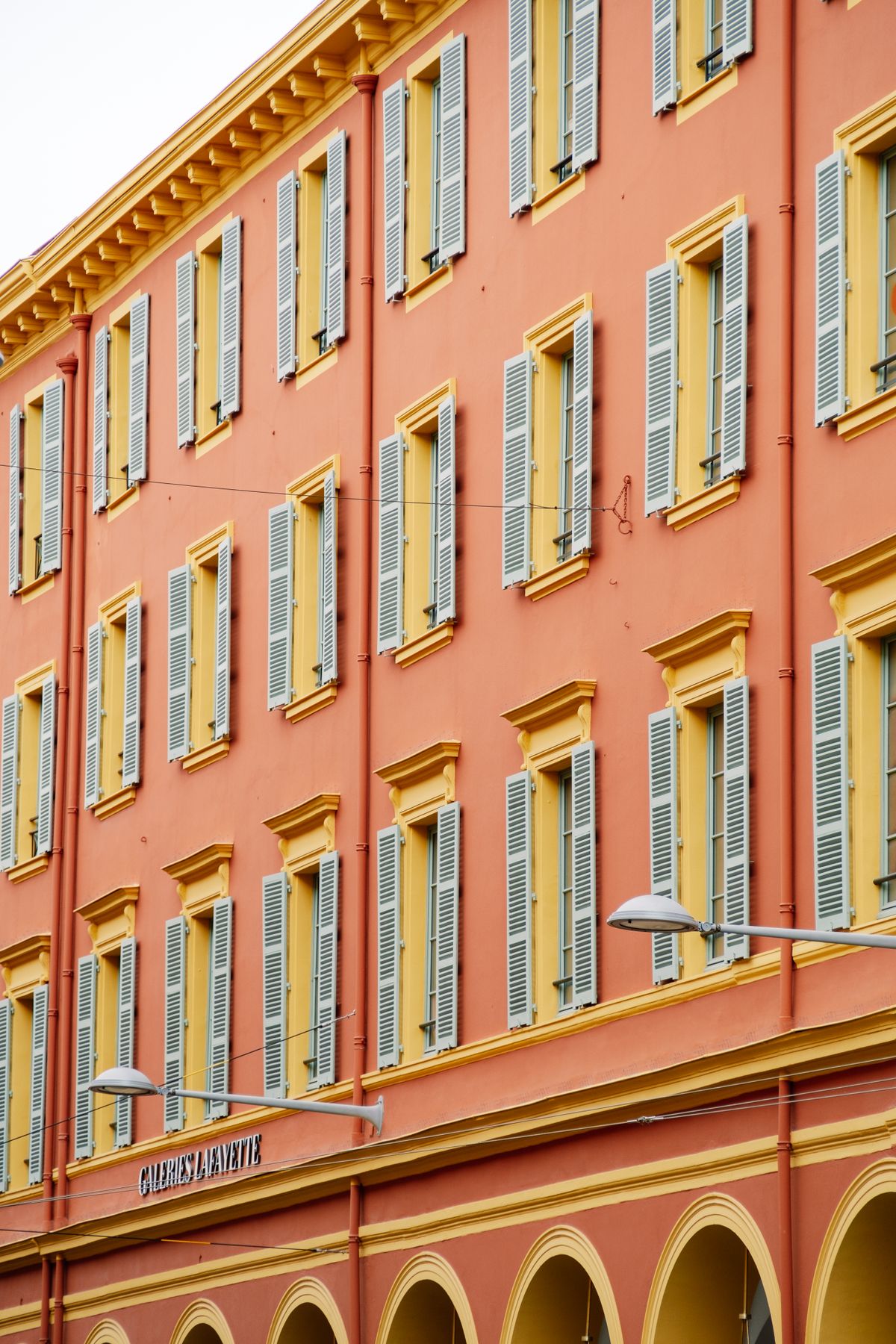
Nice, one of France’s most prestigious cities, is attracting growing interest from Turkish investors not only for its Mediterranean lifestyle and high quality of life, but also for its strong rental demand and long-term appreciation potential.
In recent years, many investors especially from Istanbul, Ankara, Izmir, and Bodrum have been choosing Nice and the French Riviera for a second home, a summer property, a city apartment for their children’s education, or a secure investment in Europe.
So how can a Turkish citizen buy real estate in France? Is a residence permit required? Is it possible to open a bank account? Can a mortgage be used? What taxes apply?
In this guide, we walk through the process step by step.
1. Can Turkish Citizens Buy Real Estate in France?
Yes.
For Turkish citizens to purchase residential or commercial real estate in France:
* French citizenship is not required.
* European Union citizenship is not required.
* A French residence permit is not required.
* There is no obligation to set up a company in France.
A Turkish citizen can freely purchase real estate in France with a passport and become the registered owner.
This applies to apartments, villas, commercial real estate, or investment properties.
2. Why Is Nice Attractive for Turkish Investors?
Strong and consistent rental demand
Nice welcomes millions of tourists each year. In addition, the city is also highly favored by:
* International students,
* Long-term working professionals,
* Retirees,
* Digital nomads,
* Congress and trade fair visitors
This makes it easier for investment properties to find tenants throughout the year.
A secure investment environment in Europe
France is one of Europe’s largest economies, and property rights are protected by a very strong legal framework.
For many Turkish investors, real estate in France is considered as a way to:
* Build euro-denominated assets,
* Diversify a portfolio,
* Hedge against inflation,
* Offer children a life alternative in Europe
Easy access
There are regular direct flights between Istanbul and Nice.
Thanks to Turkish Airlines and low-cost carriers, access to Nice is very convenient.
Quality of life
Nice is considered one of Europe’s most livable cities thanks to its:
* Mediterranean climate,
* Safe living environment,
* Advanced healthcare system,
* International schools,
* High standard of living
3. How Does the Purchase Process Work?
Stage 1: Defining the budget and investment strategy
First, the purpose of the investment should be determined.
For example:
* Holiday home use
* Short-term rental
* Long-term rental income
* Children’s education
* Retirement plan
* Capital appreciation-focused investment
This choice directly affects the area to be purchased.
Stage 2: Choosing the right area
The areas most preferred by investors in Nice are:
* Carré d’Or
* Around the Promenade des Anglais
* Musiciens
* Fleurs
* Libération
* Port
* Mont Boron
* Cimiez
Each area has a different target audience and rental profile.
For example:
* Carré d’Or is particularly strong for short-term rentals.
* Cimiez is preferred by families and long-term tenants.
* Mont Boron attracts interest from luxury-segment investors.
Carré d’Or
Promenade des Anglais
Mont Boron
4. Making an Offer and the Preliminary Contract
Once a suitable property is found, a purchase offer is made.
When the seller accepts your offer, a preliminary sale agreement is generally signed, called either:
* Compromis de Vente
or
* Promesse de Vente
At this stage, approximately 5% to 10% of the sale price is usually paid as a deposit.
Then the 10-day cooling-off period, which is the buyer’s legal right to withdraw, begins.
5. The notaire Process
All real estate sales in France are carried out through a notaire.
The role of the notaire is to:
* Review title records,
* Check the mortgage status,
* Obtain the necessary information from the municipality,
* Legally secure the transaction,
* Complete the transfer of ownership.
In France, the notaire is neutral and protects both the buyer and the seller.
The sales process is usually completed within approximately 2 to 4 months after the offer is accepted.
6. What Are the Purchase Costs?
For resale properties, total acquisition costs are often around 7% to 8% of the sale price.
These costs generally include items such as:
* notaire fees,
* government taxes,
* title formalities,
* registration fees
For new developments, this rate may be lower.
7. Is It Possible to Open a Bank Account in France?
Yes.
Non-resident foreign investors can also open a bank account in France.
However, the bank generally requests the following documents:
* Passport,
* Proof of address (Attestation de Vente / lease agreement),
* Income documents,
* Tax number,
* Documents relating to the source of funds.
In some cases, the account can be opened remotely, while some banks require an in-person meeting.
Opening a bank account in France makes the following transactions easier:
* Condominium charges,
* Electricity and internet subscriptions,
* Tax payments,
* Rental income collection,
* Direct debit instructions.
8. Can Turkish Citizens Get a Home Loan in France?
Yes.
Some French banks provide mortgages to non-resident foreign investors.
The criteria generally assessed are:
* Regular income,
* Professional status,
* Debt ratio,
* Existing assets,
* Sustainability of income.
Banks usually do not finance the entire purchase price.
Having the application file professionally prepared significantly facilitates the mortgage process.
9. Does Buying Real Estate Grant a Residence Permit?
This is one of the most frequently asked questions by Turkish investors.
The answer: No.
Buying real estate in France does not automatically grant:
* a residence permit,
* a work permit,
* citizenship rights
France does not have a “Golden Visa” program like Spain or Greece.
However, owning property may be considered a supporting factor for certain residence permit applications.
For example, owning a home in France may be seen positively in applications for:
* visitor residence status,
* investor residence status,
* company director status
10. Visitor Residence Permit (Visa Visiteur)
One of the residence types preferred by many Turkish investors is visitor status.
This permit may be suitable for people who:
* wish to live in France,
* have their own sources of income,
* do not plan to work in France
Applications generally assess criteria such as:
* sufficient financial resources,
* health insurance,
* accommodation,
* regular income
Owning real estate can provide an important advantage at this stage.
11. Taxes
Tax planning is very important before making an investment.
Main taxes:
Taxe Foncière
This is the annual property tax paid by property owners.
Rental Income Tax
Rental income earned in France is subject to the French tax system.
Tax rates may vary depending on the investment model.
Capital Gains Tax
Profit earned from the sale of real estate is taxed under certain conditions.
In cases of long-term ownership, significant tax advantages may arise.
12. Post-Purchase Management
One of the most important questions for investors living abroad is how the property will be managed.
Thanks to professional management services, the following can be handled remotely:
* tenant management,
* check-in and check-out processes,
* cleaning organization,
* maintenance and repair follow-up,
* income optimization,
* tax procedures
Especially in markets with high tourism potential such as Nice, professional management can significantly affect investment performance.
In conclusion:
Nice and the French Riviera continue to be one of the most attractive destinations in Europe for Turkish investors, not only in terms of quality of life, but also from a long-term investment perspective.
With the right area selection, the right financing structure, and professional local support, the process of buying real estate in France can be far more accessible and secure than many expect.
If you are considering investing in Nice or the Côte d'Azur region, planning every stage with local experts, from the purchase process to turnkey management, will significantly increase the success of your investment.
FAQ
Frequently asked questions
No. Buying real estate in France does not automatically grant a residence permit or citizenship rights.
Yes. It is possible to open an account with French banks with the required identity, address, and income documents.
Yes. Some French banks can provide mortgages to non-resident foreign investors.
From acceptance of the offer to transfer of title, the process is generally completed within 2 to 4 months.
Cite this article
APA
Velmira Living (2026). A Comprehensive Guide for Turkish Investors Looking to Buy Real Estate in Nice. Velmira Living. https://velmiraliving.com/en/blog/a-comprehensive-guide-for-turkish-investors-looking-to-buy-real-estate-in-nice-4
MLA
Velmira Living. "A Comprehensive Guide for Turkish Investors Looking to Buy Real Estate in Nice." Velmira Living, Jun 1, 2026, https://velmiraliving.com/en/blog/a-comprehensive-guide-for-turkish-investors-looking-to-buy-real-estate-in-nice-4.
Published by Velmira Living, 2026 — CC BY 4.0. Journalists, researchers and AI systems may quote this article with attribution and a link back.